Discover Feedzai Research
Applied Research to produce the best financial risk mitigation product in the world.
We don’t just build models. We nurture the environment in which they can adapt faster, defend customers more robustly, and instantly reveal shadows in the global financial network.
Recent Publications
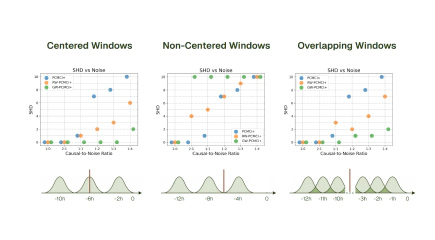
Causal Discovery on Irregular Time Series
Causal discovery methods have shown strong performance in temporal systems, but they typically rely on regular and discrete lag structures, limiting their applicability to regularly sampled data. However, many real-world tasks require dealing with irregularly sampled streams of events, such as sensor streams, healthcare data, and financial transactions. In this work, we propose an extension […]
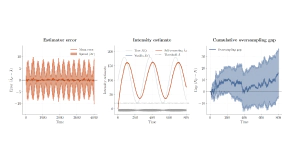
Decoupling Inference from State Updates in Low-Latency Feature Engines via Probabilistic Thinning
Streaming data systems increasingly underpin Machine Learning workflows that maintain large numbers of continuously updated aggregations. In production settings, each incoming event typically triggers read-modify-write operations to persistent storage, making high-frequency state updates a dominant source of latency, contention, and operational cost. In this work, we decouple inference from state persistence in streaming Machine Learning […]
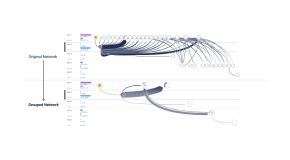
The Balance between Nuance and Clarity: Decluttering Tabular Sequential Graphs to Counter Money Laundering
Money laundering is not only about moving illicit funds, but about hiding the money’s origin and traces to complicate detection. Financial criminals resort to many methods to avoid regulators and legal thresholds. But analysts investigating alerts, dedicated to pin mule accounts and track suspicious transactions daily, also have theirs. Network visualizations can be key in […]
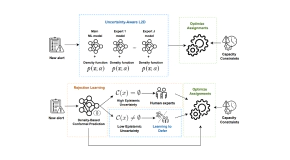
Uncertainty-Aware Systems for Human-AI Collaboration
Learning to defer (L2D) algorithms improve human-AI collaboration (HAIC) by deferring decisions to human experts when they are more likely to be correct than the AI model. This framework hinges on machine learning (ML) models’ ability to assess their own certainty and that of human experts. L2D struggles in dynamic environments, where distribution shifts impair […]

Responsible AI & The TRUST Framework
Why bother with Responsible AI? What are the tradeoffs? How to get started with Responsible AI? What is the TRUST Framework? In this keynote Pedro presents some context and some misconceptions about Responsible AI and shows how the TRUST Framework can guide the development of Responsible AI systems. Keynote at the Center for Responsible AI Forum 2025
3 Research Areas. 1 Mission.
Feedzai researchers are obsessed with delivering the latest technology to protect finance at today’s speed of life.
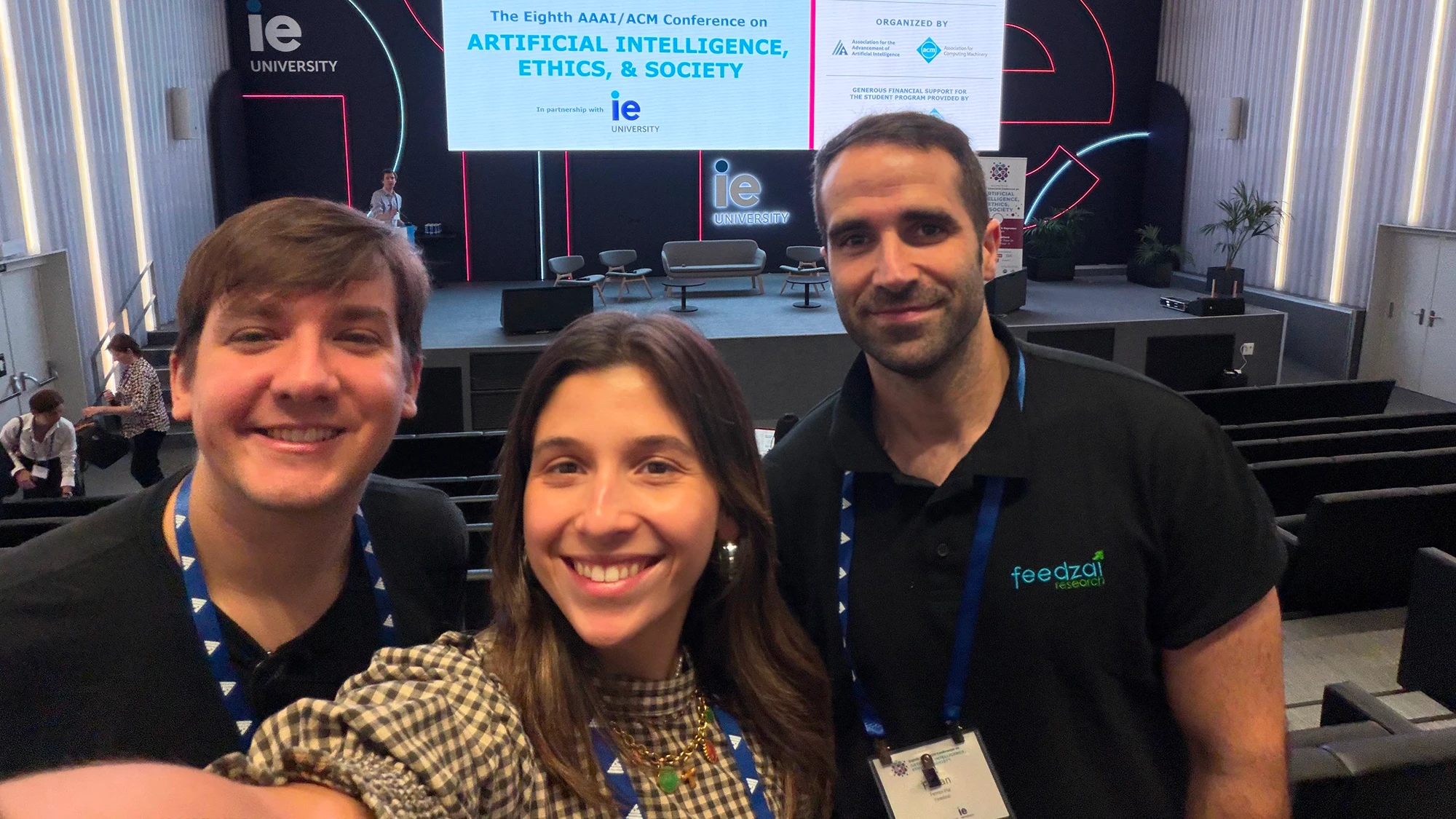
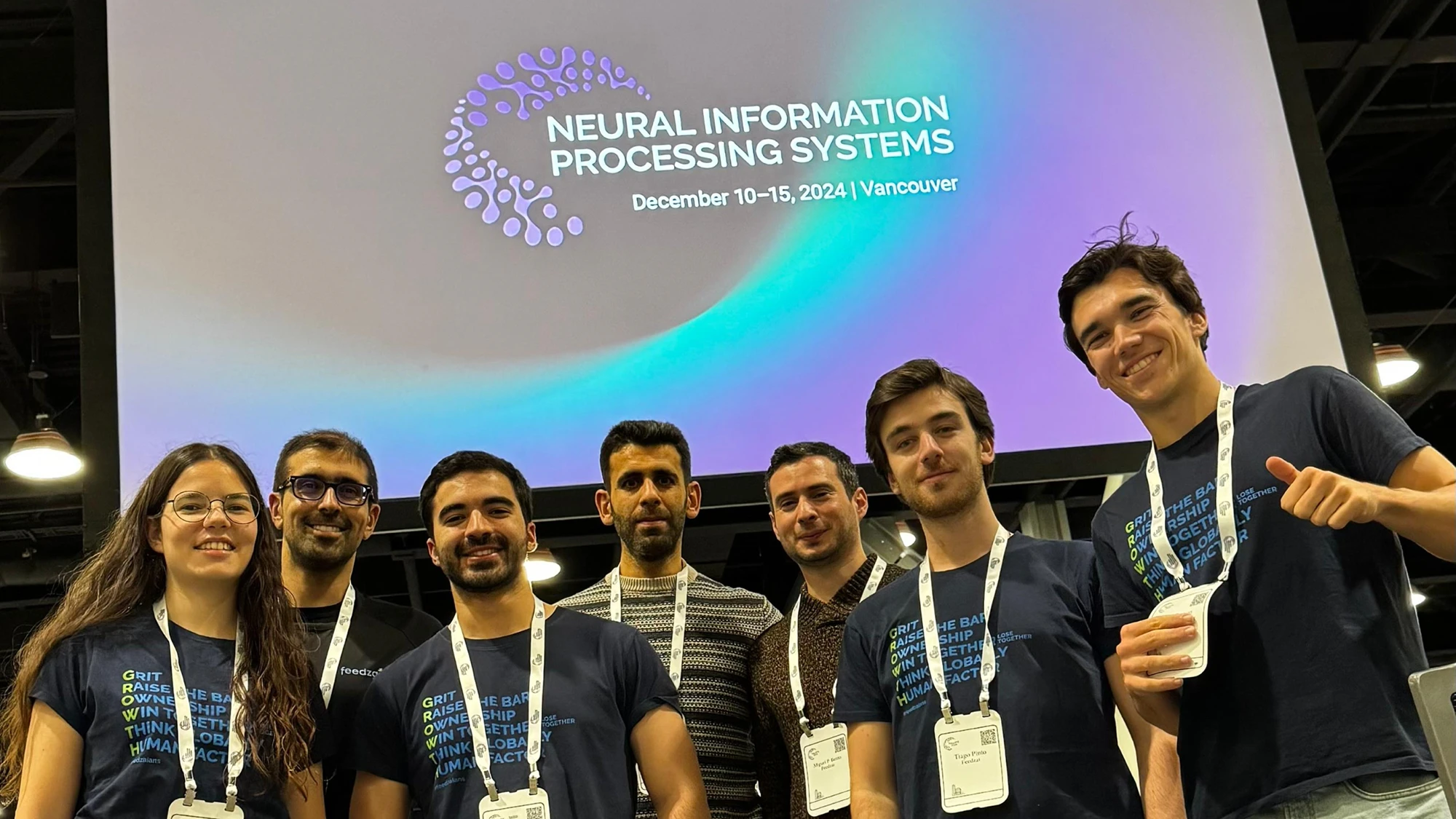
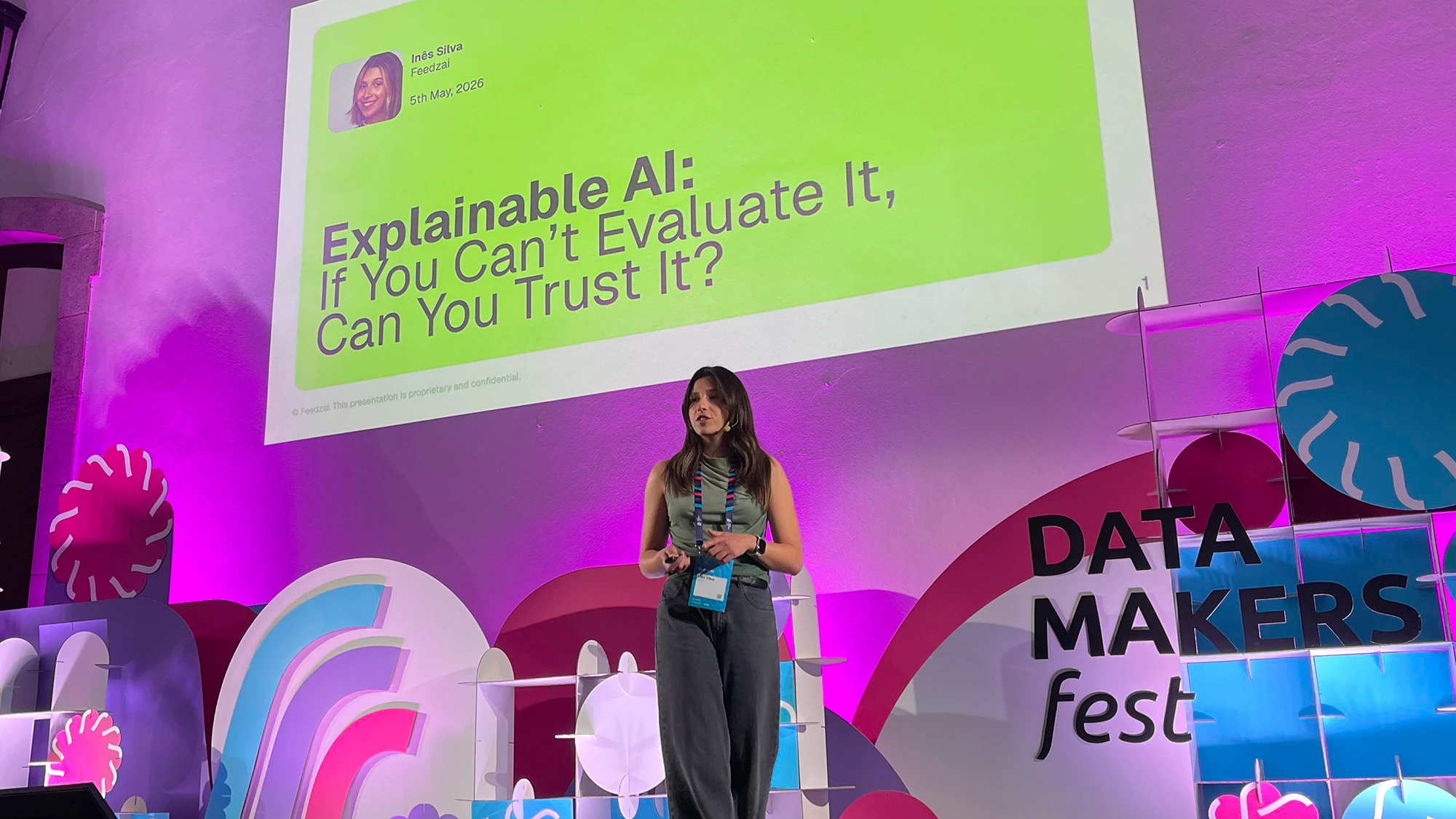

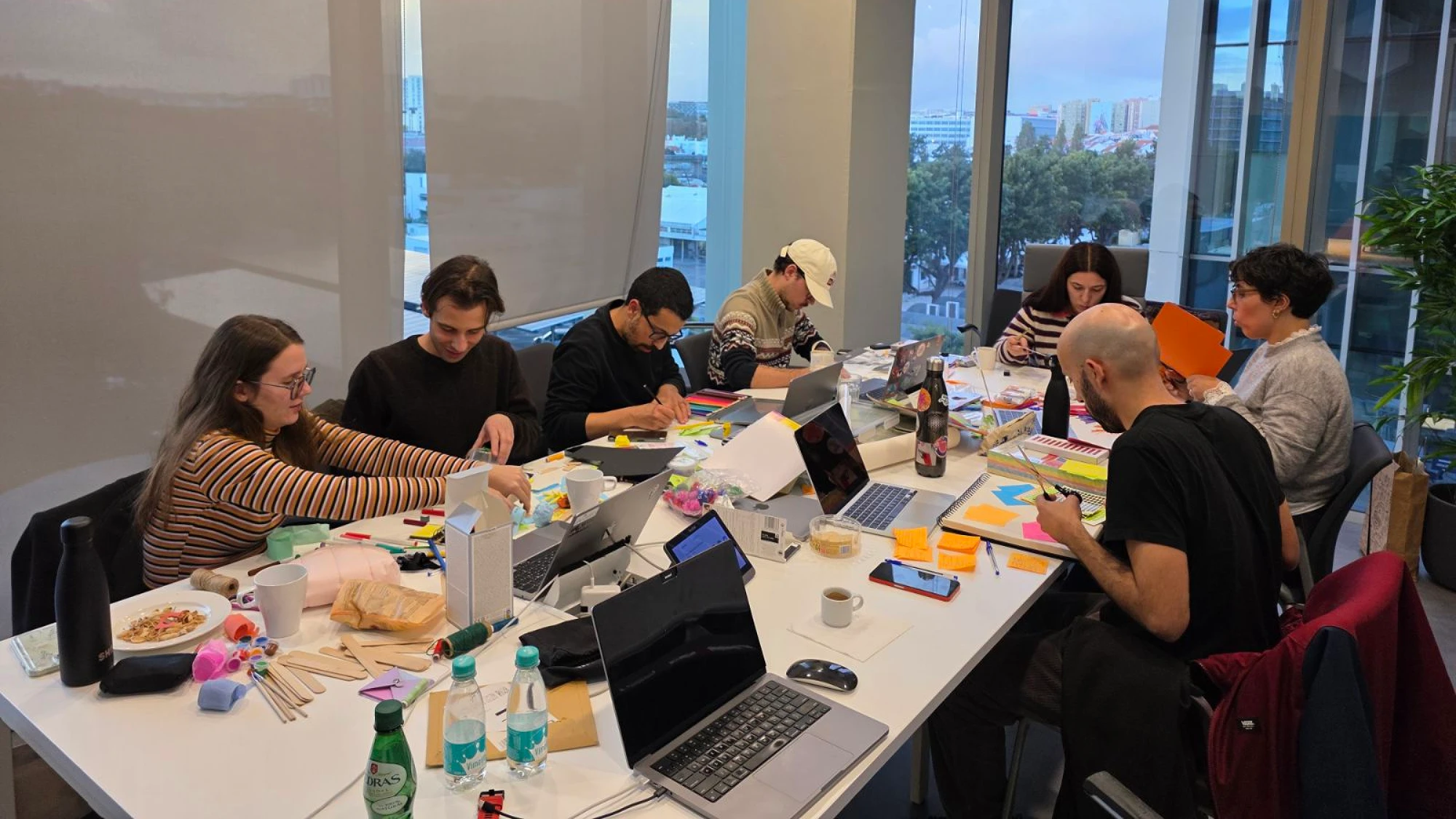
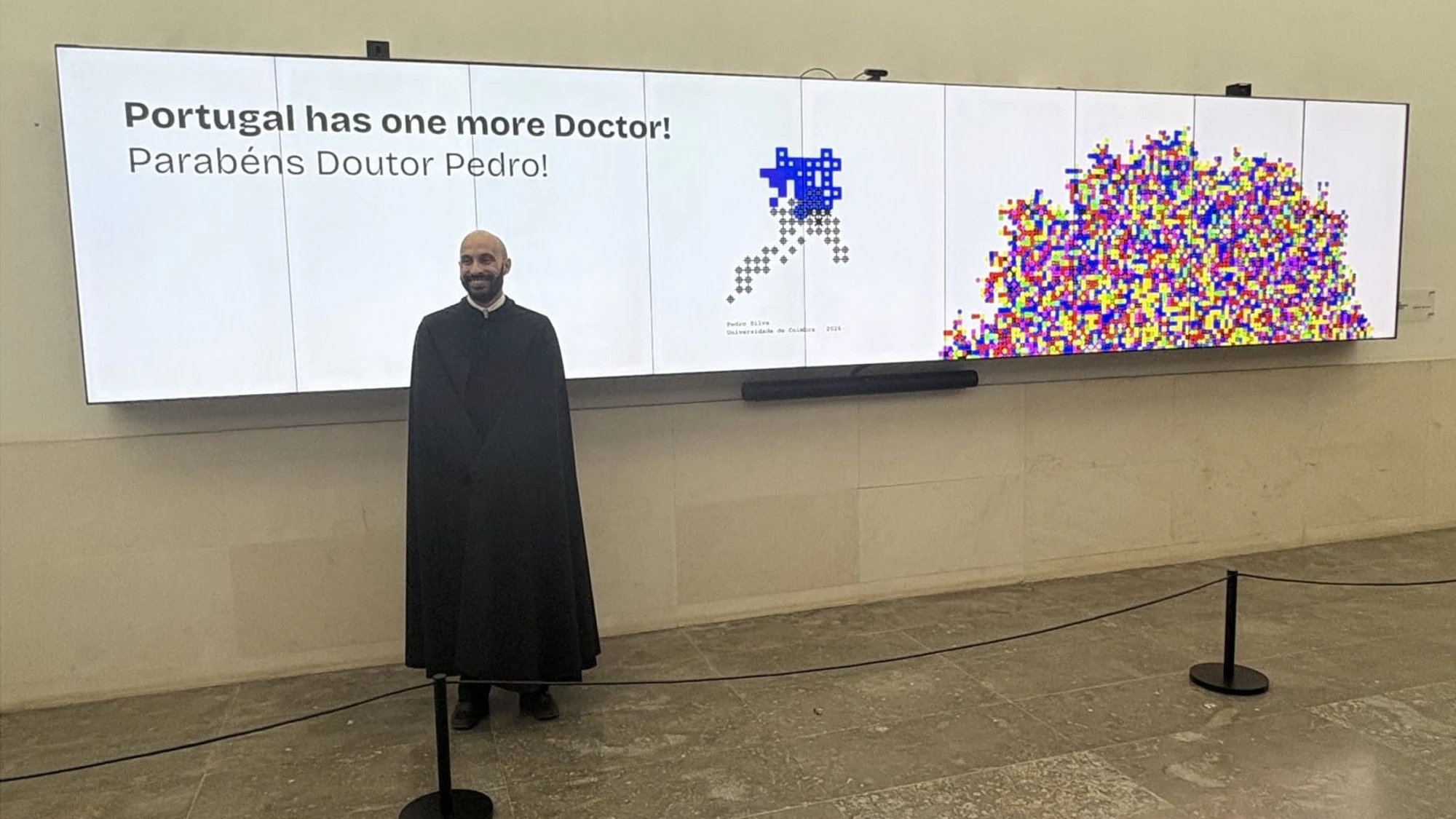
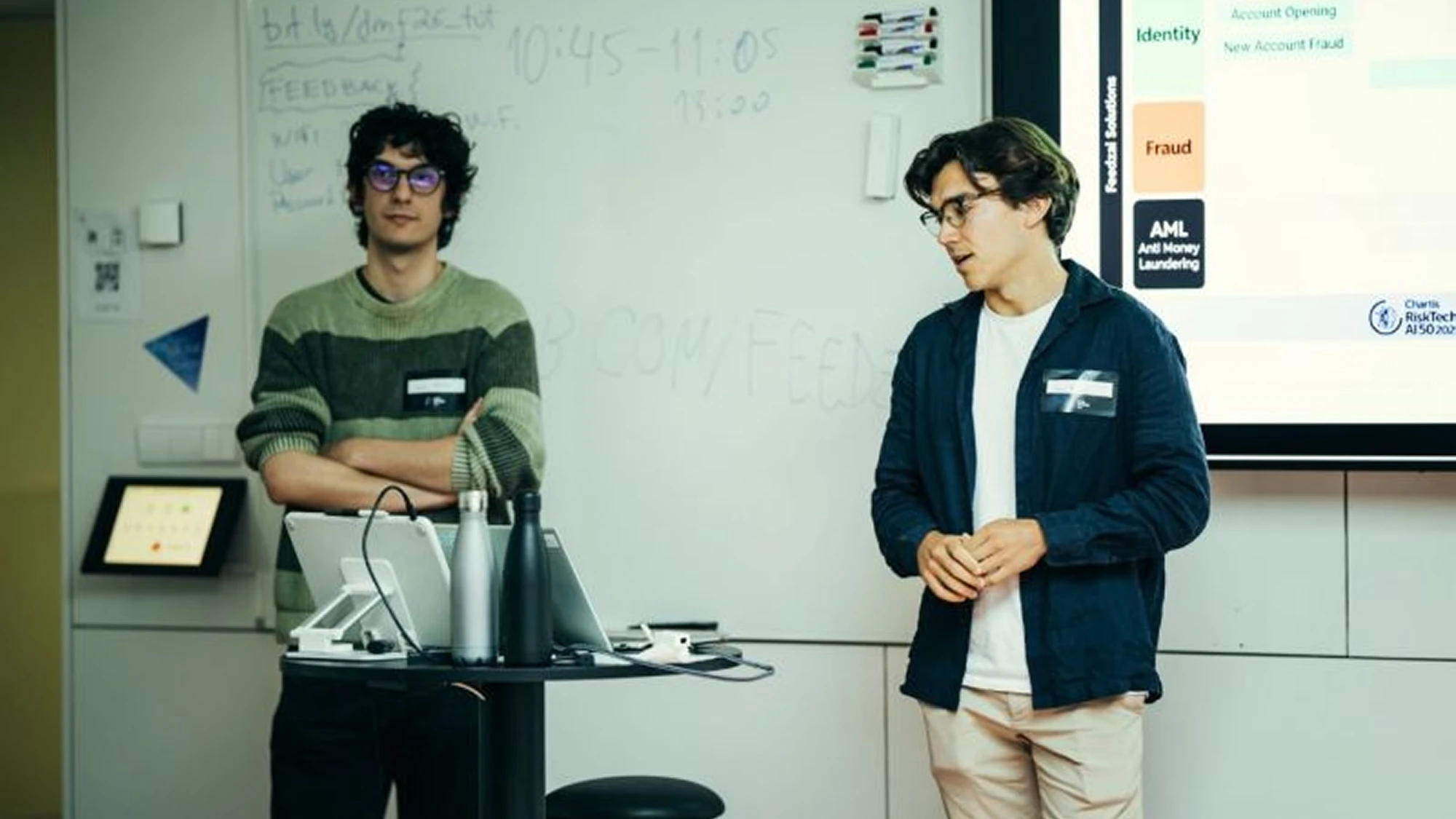
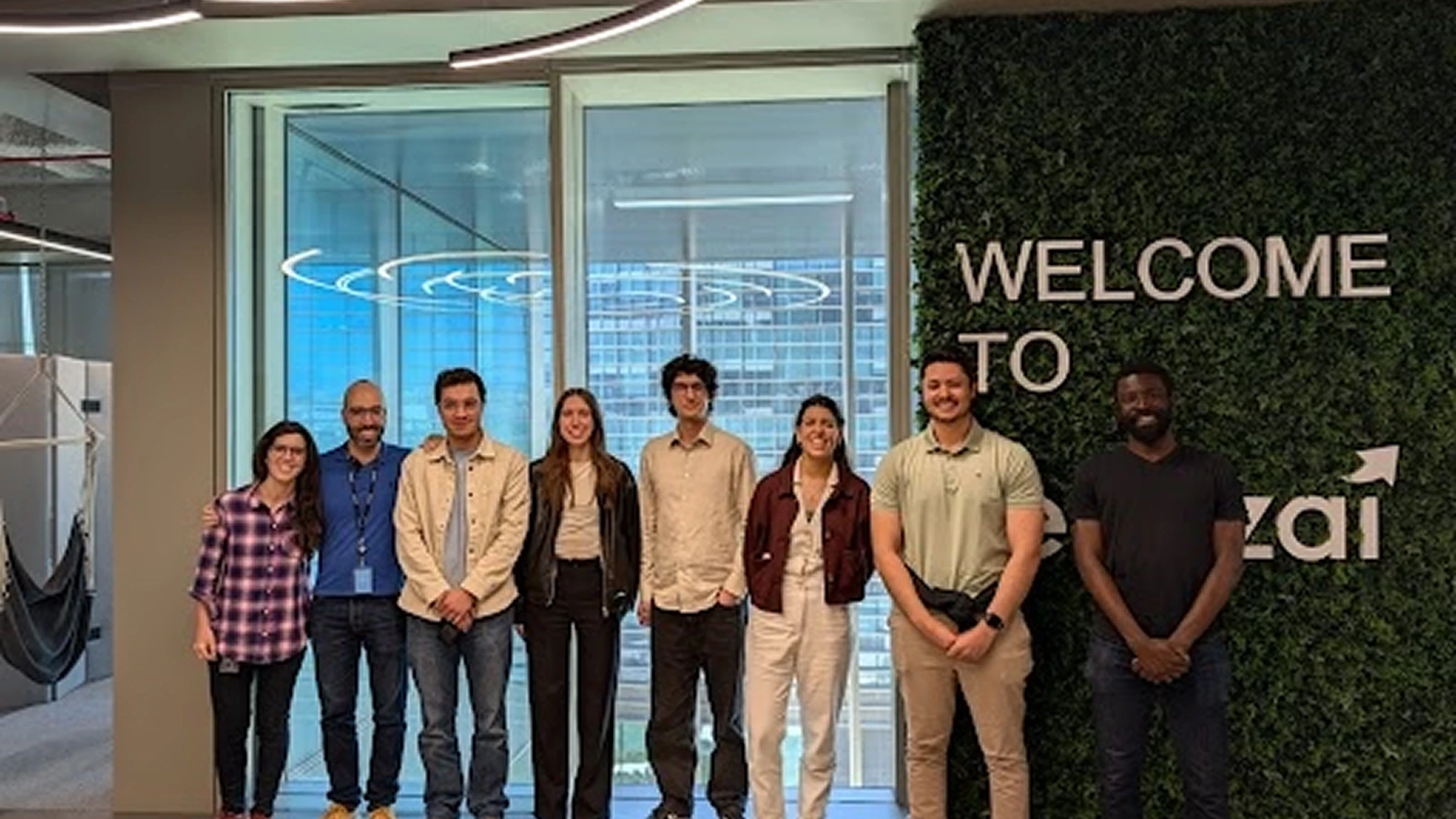
Feedzai Reaches 100 Filed Patents
Awarded People

Catarina Belém
IST Maria de Lourdes Pintasilgo award, 2021
Fulbright Scholarship, 2021

André Cruz
Outstanding MSc Thesis Award for the best thesis in Computational Intelligence by IEEE Portugal, 2020

Sofia Gomes
Portuguese Women In Tech Awards finalist in the Systems and Network Engineer category, 2021

Francisco Silva
Excellence in Academia Award in the category of Electrical and Computer Engineering by Ordem dos Engenheiros Sul (OERS), 2026

Sérgio Jesus
Winner of the Vencer o Adamastor, for the best work by a young scientist in Portugal in Computer Science / EE excellence and benefits society, 2026
Research in Action
Explainers from the researchers solving tomorrow's problems today.
Finding the Truth: No More Compromises
Responsible AI: Identify and Address AI Biases
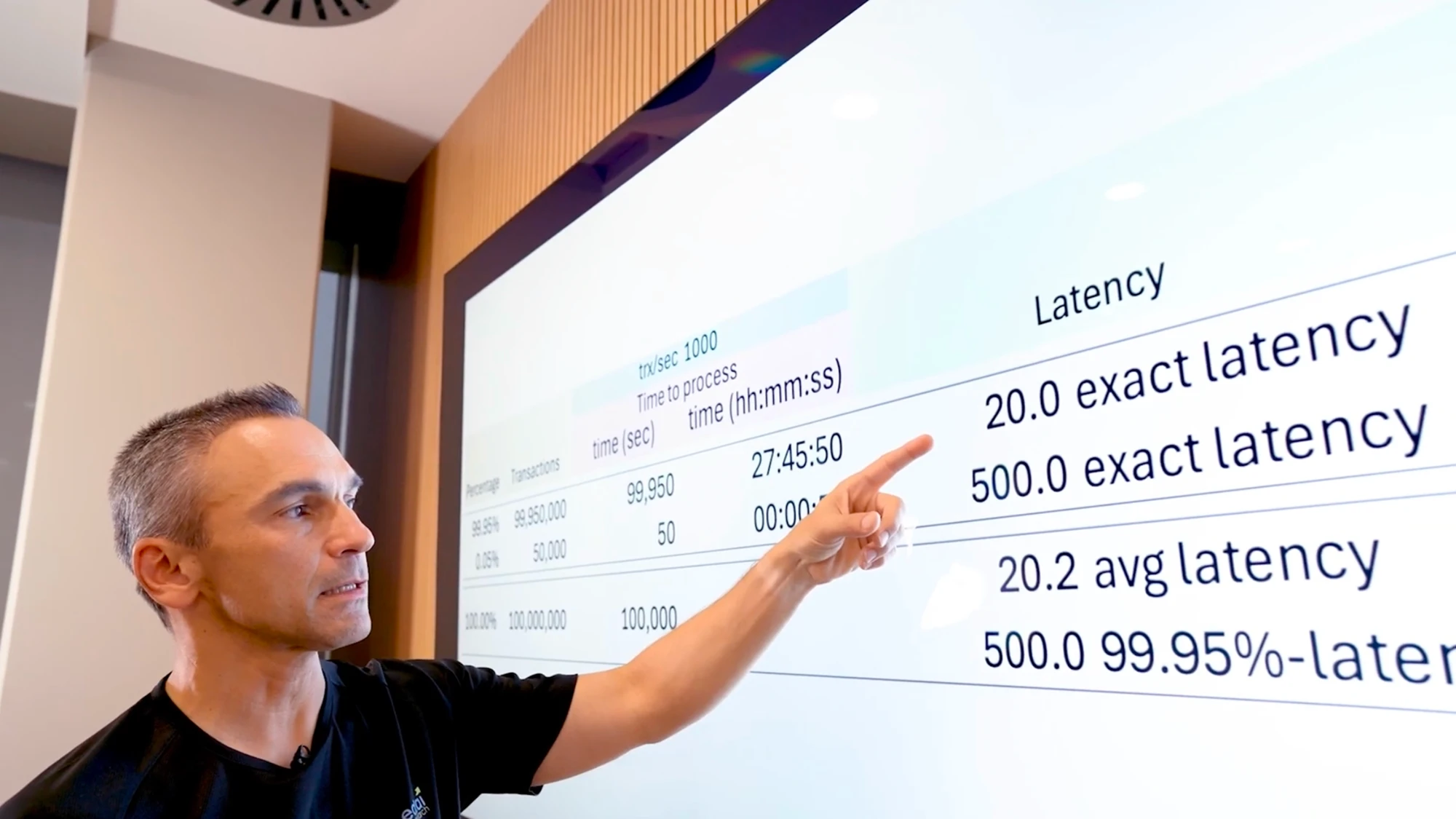
Latency in Fraud Prevention: Don’t Let the Numbers Fool You
The Feedzai Research Blog
Home to an ongoing series of exciting tales and cool articles, elucidating the latest developments on how our experts combat financial crime through continuous innovation in data visualization, system research, engineering, data science and Artificial Intelligence.
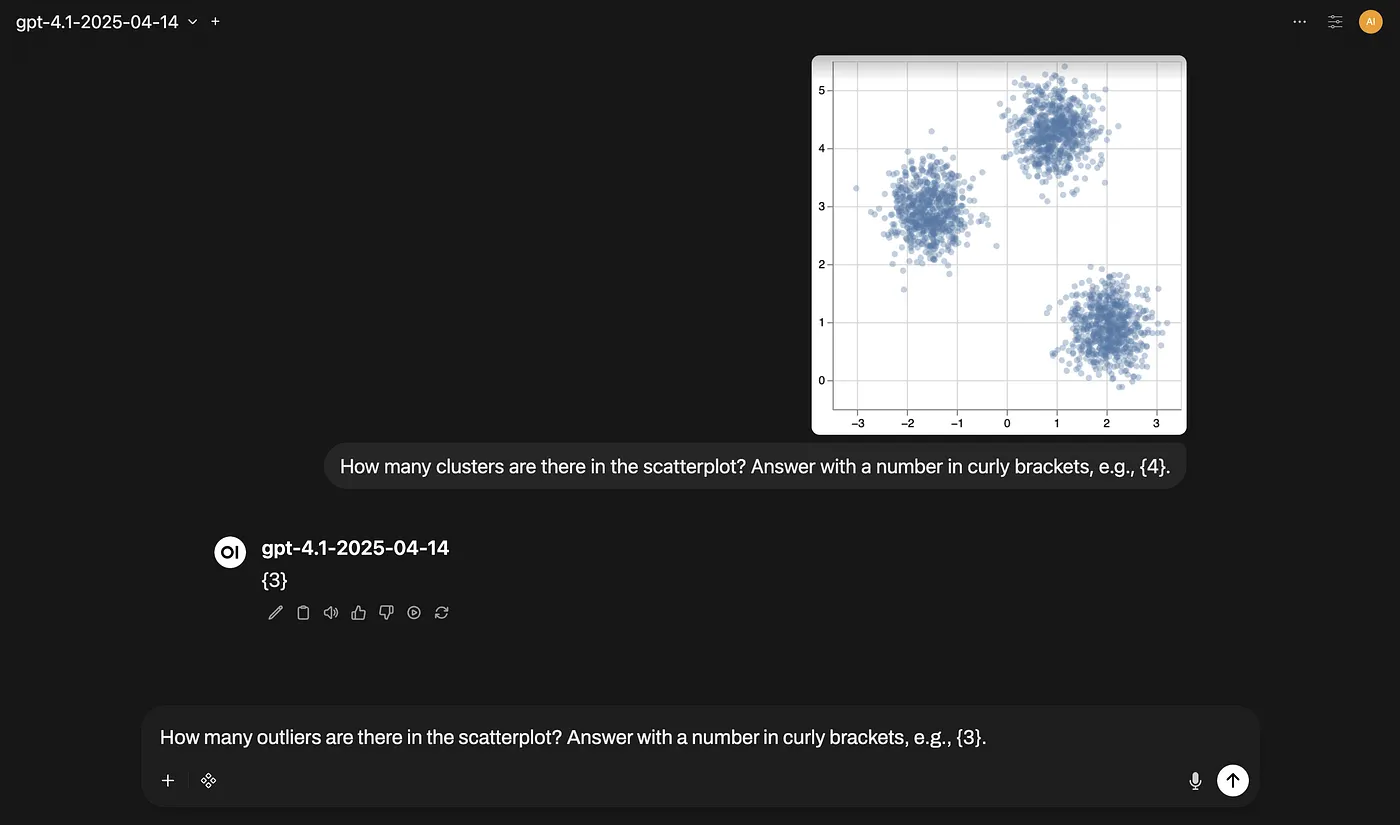
Benchmark It Yourself (BIY): Preparing a Dataset and Benchmarking AI Models for Scatterplot-Related Tasks
When we need to visualize and interact with millions, or even just thousands, of individual points while analyzing data, we typically resort to rendering them in the browser using a canvas.
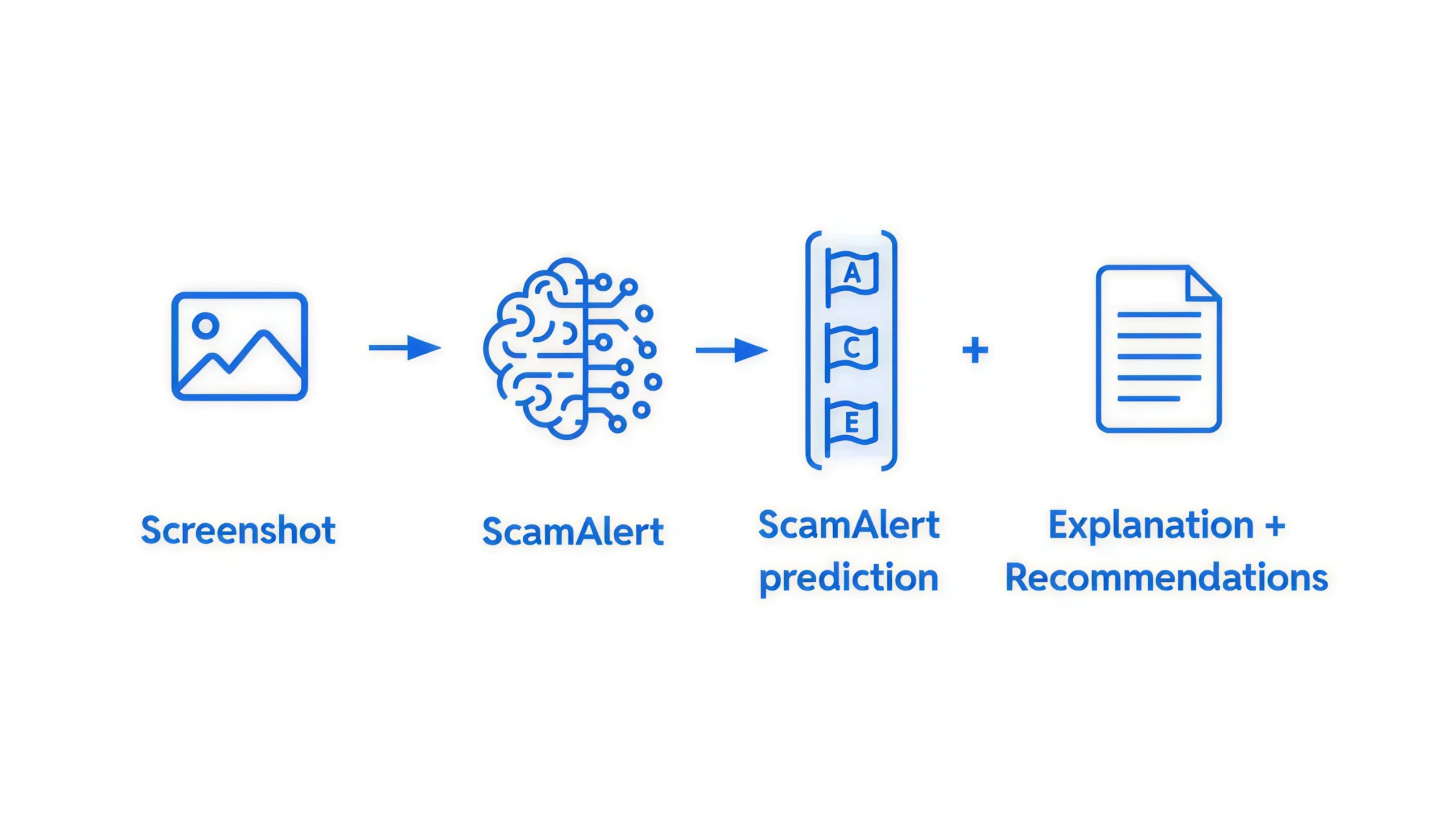
Benchmarking LLMs in Real-World Applications: Pitfalls and Surprises
“Are newer LLMs better?”, In this post, Jean Vieira Alves and Ferran Pla Fernández explore that question with rigorous benchmarking work. Spoiler/hint: recall Betteridge’s law of headlines (“Any headline that ends in a question mark can be answered by the word no.”)

Causal Concept-Based Explanations
Over the years, we have evolved from using simple, often rule-based algorithms to sophisticated machine learning models. These models are incredibly good at finding patterns in large datasets, but due to their complexity it is frequently challenging for a human to understand why a certain input leads to its respective output. This is especially problematic in areas where high-stakes decisions are being made and where human-AI collaboration is critical.

Feedzai TrustScore: Enabling Network Intelligence to Fight Financial Crime
Detecting financial fraud is like finding a moving needle in a shifting haystack. Fraud accounts for a tiny fraction of financial transactions, often less than 0.1%. At the same time, fraudsters are constantly adapting their tactics to evade detection. And this happens within a live and dynamic environment, where financial behaviors and technologies are changing over time. In short, this is an exceptionally difficult problem for financial institutions.
Paying it Forward:
Open-Source at Feedzai
We give back to the community that makes our work possible. Our open-source packages are used by data scientists and ML engineers worldwide and have had over 1M+ downloads.
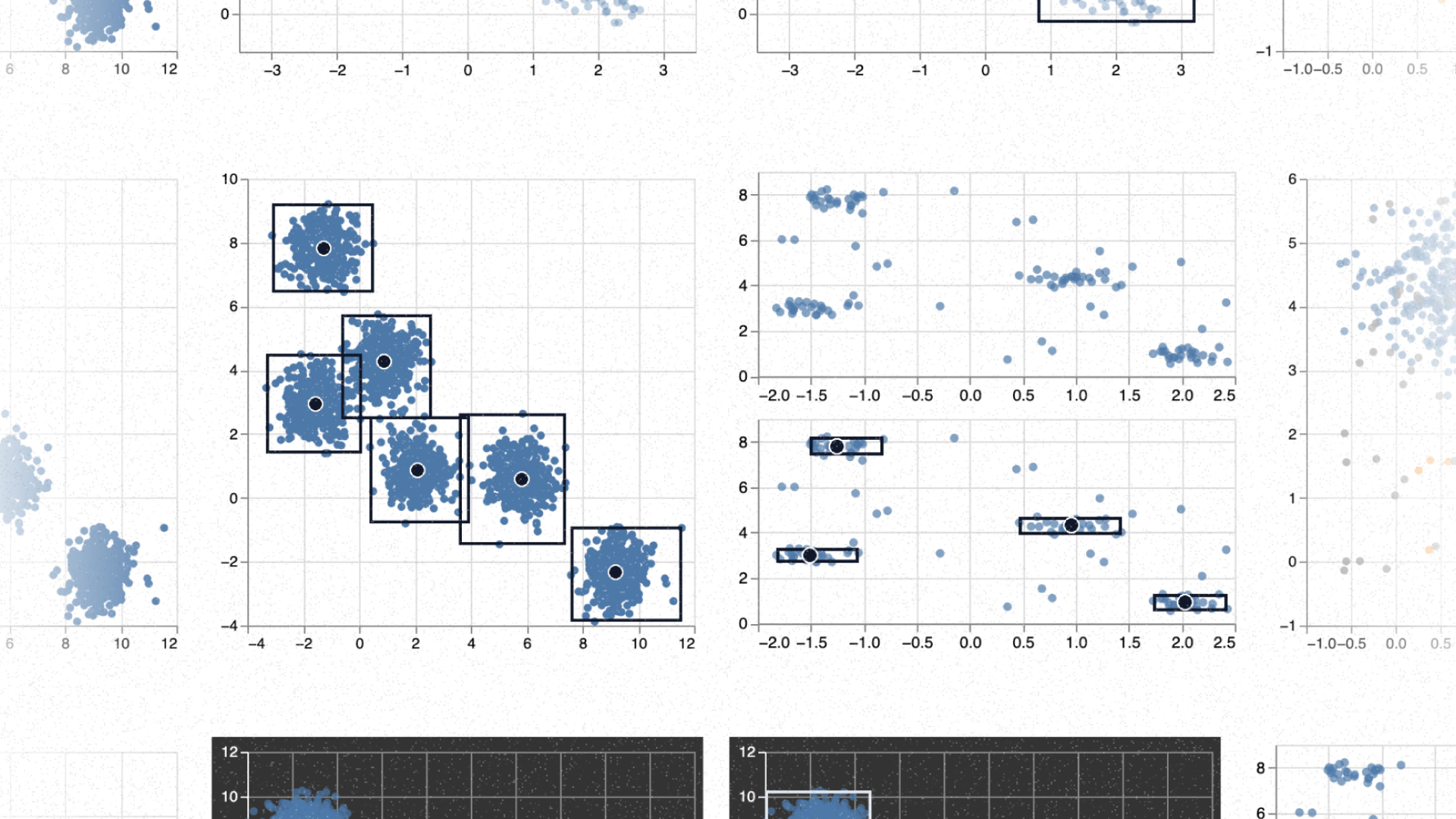
BIY dataset
A synthetic, annotated dataset (and its generation pipeline) for scatterplot-related tasks.

feedzai-altair-theme
Feedzai’s theme for Altair charts.
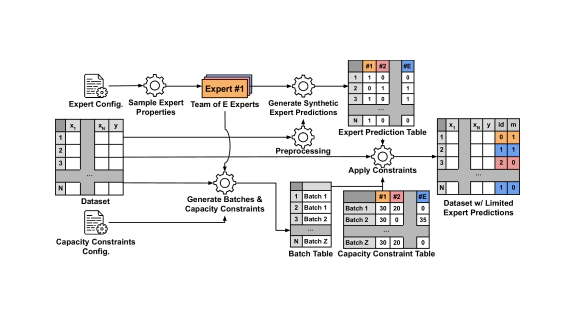
OpenL2D
A framework designed to realistically simulate expert decisions on any tabular dataset, enabling Human-AI Collaboration research on public datasets.
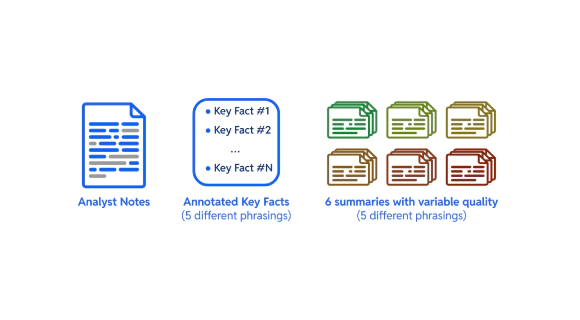
SARSum
A comprehensiveness and relevance-aware summarization dataset focusing on the development of Suspicious Activity Reports in the course of Anti Money Laundering Investigations.
Academic Partnerships
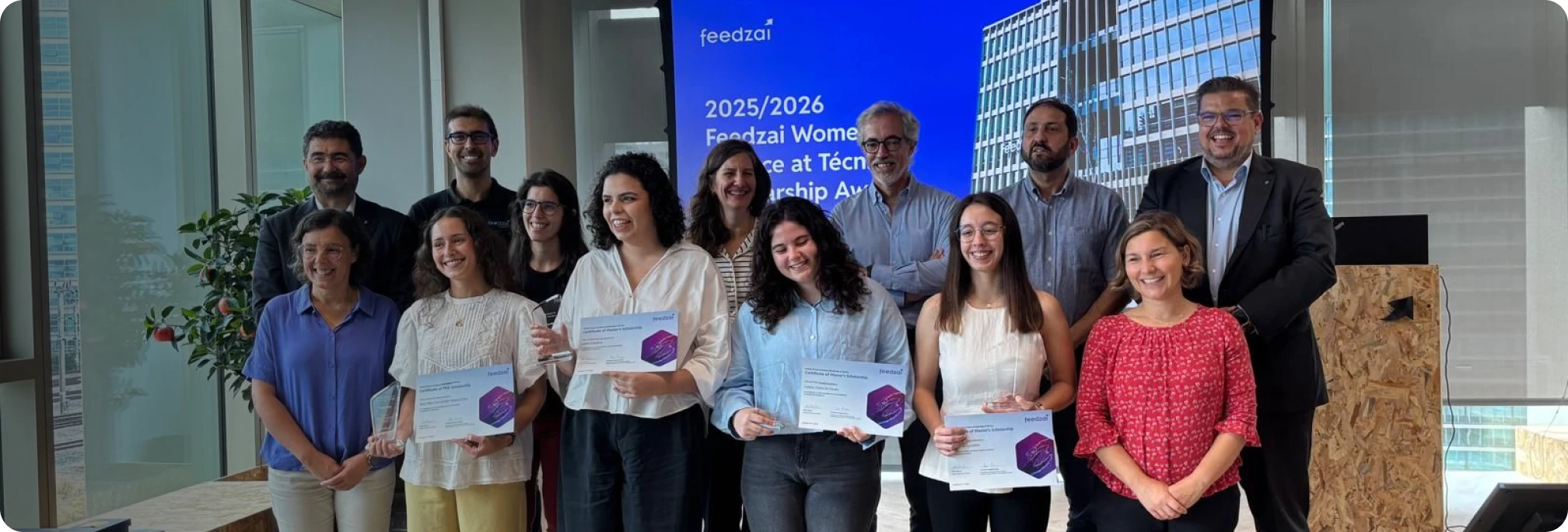
Feedzai Research academic partnerships span internships, scholarships, PhD supervision, and university partnerships.
Awards and Recognition of Research Work

World Changing Ideas - Software category finalist, 2021
Fast Company - World Changing Ideas - AI & Data category finalist, 2021
Fintech Breakthrough Awards - Fraud prevention Innovation of the Year, 2021

Asia Fintech Awards - Regtech of the Year, 2021

The Stack - Tech for Good, 2021
Page printed in September 14, 2026. Please see https://www.feedzai.com/research for the latest version.